
Choosing a Medical Alert System
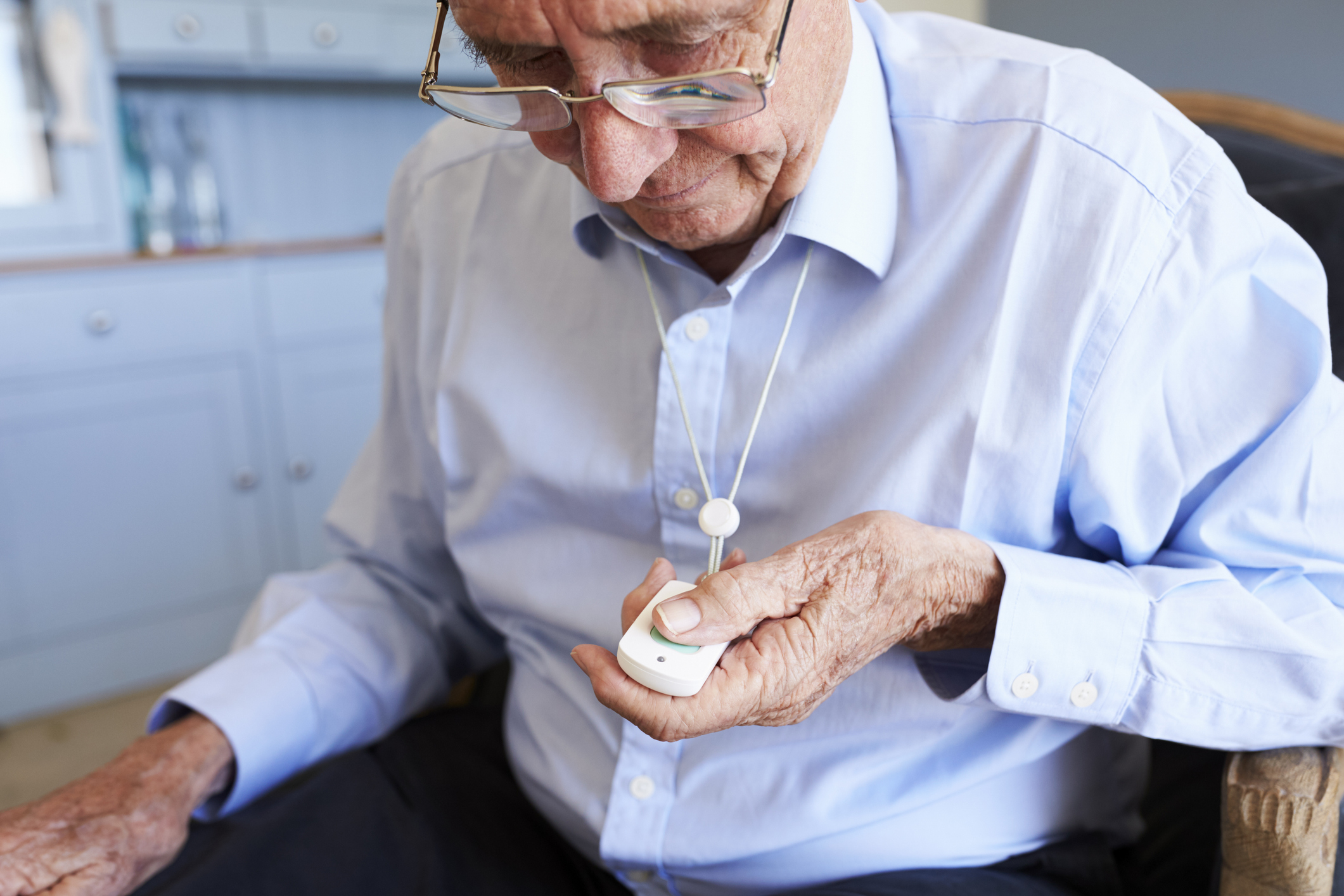
A medical alert system can make it easier to call for help after a fall or another emergency. The most useful device, though, is one the person will actually wear and know how to use. Start with their daily routine before comparing brands. Do they spend most of their time at home? Do they garden, walk the dog, or go out alone?
Check where it works
Some systems are designed mainly for the home; others can be used while out and about. Check coverage in the places that matter, including the bathroom, garden, and regular walking routes. Find out what connection the device needs and what happens if the power goes out or cellular reception is weak.
Know what happens when you ask for help
Pressing the button may connect the person to a monitoring center, notify family members, or both. Ask what happens if they cannot speak or do not respond. If automatic fall detection is available, find out what it can and cannot detect. The person should still know how to call for help manually.
Make sure it works in everyday life
A device left on a bedside table cannot help elsewhere in the home. Include the person who will wear it when considering its size, comfort, and ease of use. Check whether it can be worn in the shower, how often it needs charging, and who receives a low-battery alert.
Compare the full cost
Look beyond the advertised monthly price. Equipment, activation, fall detection, and service away from home may cost extra. Ask for the terms in writing, including any trial period, cancellation charges, and equipment return requirements.
Questions to ask a provider
- Will this device work in my home, garden, and the places I visit regularly?
- Does it need a landline, Wi-Fi, or cellular service? What happens during an outage?
- Who answers an alert, and how are family members notified?
- What happens if I press the button but cannot speak?
- Is fall detection included? What types of falls might it miss?
- Can I wear the device in the shower? How long does its battery last?
- How do I test the system without triggering an emergency response?
- What is the total cost, and what happens if I cancel?
A medical alert system is one part of a wider plan for living well at home. Start with the person’s needs and preferences, then choose the technology that fits their life.
Useful Resources
- Aging in Place: Growing Older at Home – National Institute on Aging
- Medical Alert Systems: Choosing the Best Option – AARP
- Home Safety Tips for Older Adults – National Institute on Aging