
Making Home Safer
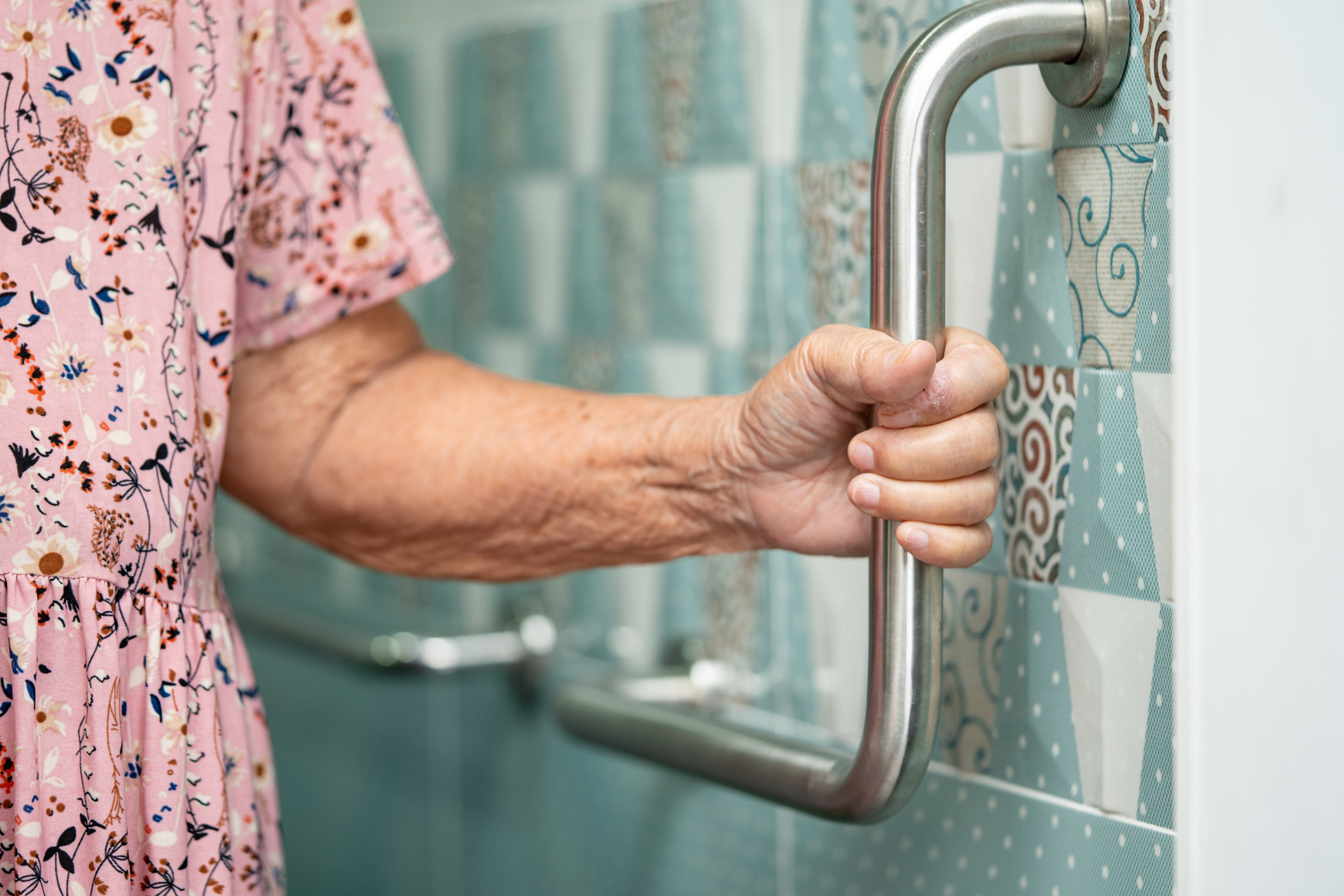
Falls are the leading cause of injury among US adults 65 and older. More than one in four older adults falls each year, and falls result in about 1.4 million hospitalizations annually, according to the CDC. A safer home starts with noticing where everyday routines have become awkward. A dim hallway, a loose rug, or a step at the front door may matter more than a new device. Walk through the home with the person who lives there and ask where they feel unsteady, have to reach too far, or avoid doing something they used to do.
Follow the everyday routes
Start with the path from the bed to the bathroom, then look at the kitchen, stairs, and entrances. Are walkways clear of cords and clutter? Are rugs secure? Can lights be switched on before entering a room, including during the night? Small changes such as better lighting, moving frequently used items within reach, and fixing uneven flooring can make daily movement easier.
Pay particular attention to bathrooms and stairs
Wet surfaces and changes in level deserve a closer look. Check whether there is a secure handrail on the stairs and enough light to see each step. In the bathroom, consider properly installed grab bars and a nonslip surface. A towel rail is not designed to take someone’s weight. If getting into the shower or rising from the toilet has become difficult, ask an occupational therapist or other qualified professional what changes would suit the person and the space.
Choose technology for a specific need
Technology can add another layer of support. Motion-activated lights may help on the way to the bathroom. A video doorbell may make it easier to see who is outside before opening the door. Sensors or an alert system may help someone call for assistance or let a family member know when support is needed. Consider who will receive an alert, what they are expected to do, and whether the system still works when the internet or power is down.
Make sure the changes are usable
A product only helps if it fits the person’s habits and abilities. Try controls before buying, including buttons, screens, and voice commands. Ask who will install the equipment, replace batteries, manage updates, and help if it stops working. The person living in the home should be comfortable with any cameras or monitoring devices and understand what information is shared.
Questions to ask before buying or installing
- Which daily activity or specific hazard will this change address?
- Can the person use it easily, including at night or in an emergency?
- Does it need Wi-Fi, a subscription, or a smartphone?
- Who receives alerts, and what happens if that person is unavailable?
- Who will install, test, maintain, and troubleshoot it?
- What will it cost now and over time?
- Will the person be comfortable with the amount of monitoring involved?
Start with the changes that address the most immediate concerns, then revisit the home as needs change. If someone has fallen, feels dizzy, or has become less steady, discuss that with their healthcare professional as well. Home changes are most useful when they are part of a wider plan for mobility and support.
Useful Resources
- Preventing Falls at Home: Room by Room – National Institute on Aging
- Check for Safety: A Home Fall Prevention Checklist – Centers for Disease Control and Prevention
- AARP HomeFit Guide – AARP